Data Centre
Green data centre claims are growing up.
Sunday 3 May 2026
Green data centre claims are growing up.
3 May 2026
Data Centre

For years, sustainability has had its own predictable corner of the data centre website.
Renewable power. Efficient cooling. Responsible operations. A few carefully chosen proof points. Maybe a leaf.
Thankfully, that is changing. Data centres are under more scrutiny than ever. AI, cloud, storage and digital services are driving huge demand for power and space. Buyers are asking harder questions. Regulators are getting more involved. Local communities are paying closer attention.
So broad claims about being “green”, “efficient” or “sustainable” are not going to work as hard as they once did. The market is moving from vague promise to clear proof.
The EU has already begun moving data centre sustainability into a more structured, evidence-based space.
In March 2024, the European Commission adopted the first phase of an EU-wide scheme to rate the sustainability of data centres. Larger operators now have to report performance data into a European database, including energy, water, renewable energy and waste heat reuse indicators.
The next step is a common rating scheme. In March 2026, the Commission published draft rules for electronic sustainability labels, with adoption planned for Q2 2026.
That is an important change. It means sustainability can no longer sit as a soft 'brand message'. It has to be evidenced, explained and understood.
Most data centre brands use similar words.
Secure. Resilient. Efficient. Sustainable. Renewable. Responsible.
None of those words are wrong. The problem is that they are often used as unverified labels, not explanations. And labels are easy to ignore.
If everyone is saying the same thing there is no difference in the minds of buyers. They want to know what sits behind the claim. Where the energy comes from. How cooling is managed. What happens to waste heat. How water is used. What is being measured. What is improving. What is still difficult.
Sustainability is not a neat little box. Especially in data centres. There are real trade-offs around growth, power, resilience, location, cooling, cost and demand. Pretending those trade-offs do not exist does not make a brand look confident. It makes it look slippery.
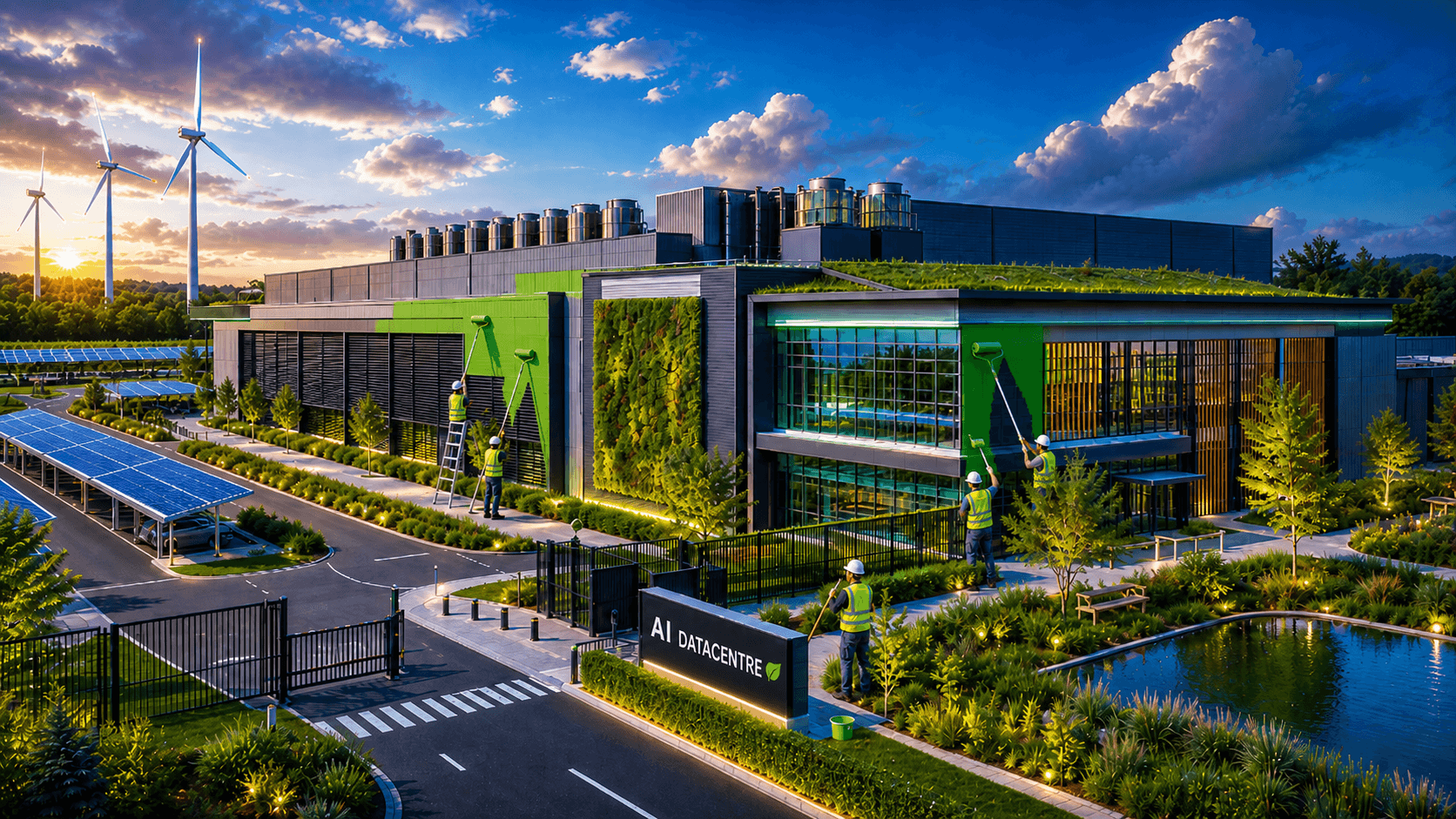
Clear beats shiny. A good sustainability story should not feel like a gloss coat. It should feel like someone has done the work, knows the detail and is comfortable explaining it.
More data does not automatically create more trust. A page full of metrics can be just as unhelpful as a page full of vague claims if nobody knows what the numbers mean.
That is where many technical businesses lose people. They have the evidence, but it is hidden in reports, scattered across teams or written in language only a small group of specialists can understand.
Clients need a clearer path through it.
What are you measuring?
Why does it matter?
How does it affect performance, cost, risk or reporting?
What can the client use in their own decision-making?
Where are you strong?
Where are you improving?
These are not just compliance questions. They are brand questions. Sales questions. Customer experience questions.
Because the job is not simply to publish the evidence. It is to make the evidence useful.
If sustainability matters to the buying decision, it cannot be tucked away in a footer page and left to fend for itself. It needs to show up across the whole customer journey.
On the website, it should help people understand the operator’s position quickly.
In sales decks, it should give teams a clear way to talk about performance without hiding behind acronyms.
In proposals, it should connect evidence to the client’s own priorities, like risk, reporting, resilience and long-term value.
On site, it should be visible in how the place works, how people explain it and how the experience feels.
That is how trust is built. Not through one claim. Not through one badge. Not through one report. Through consistency. The same story, told clearly, wherever someone meets the brand.
We think the evidence era is a good thing for the brands that are ready for it. It will make competitor's vague claims weaker. But it will make clear, credible brands stronger.
The opportunity is to move sustainability out of the “nice to say” box and into the main business story. Not as decoration. Not as a green page hidden in the corner. But as part of how a data centre operator proves its value.
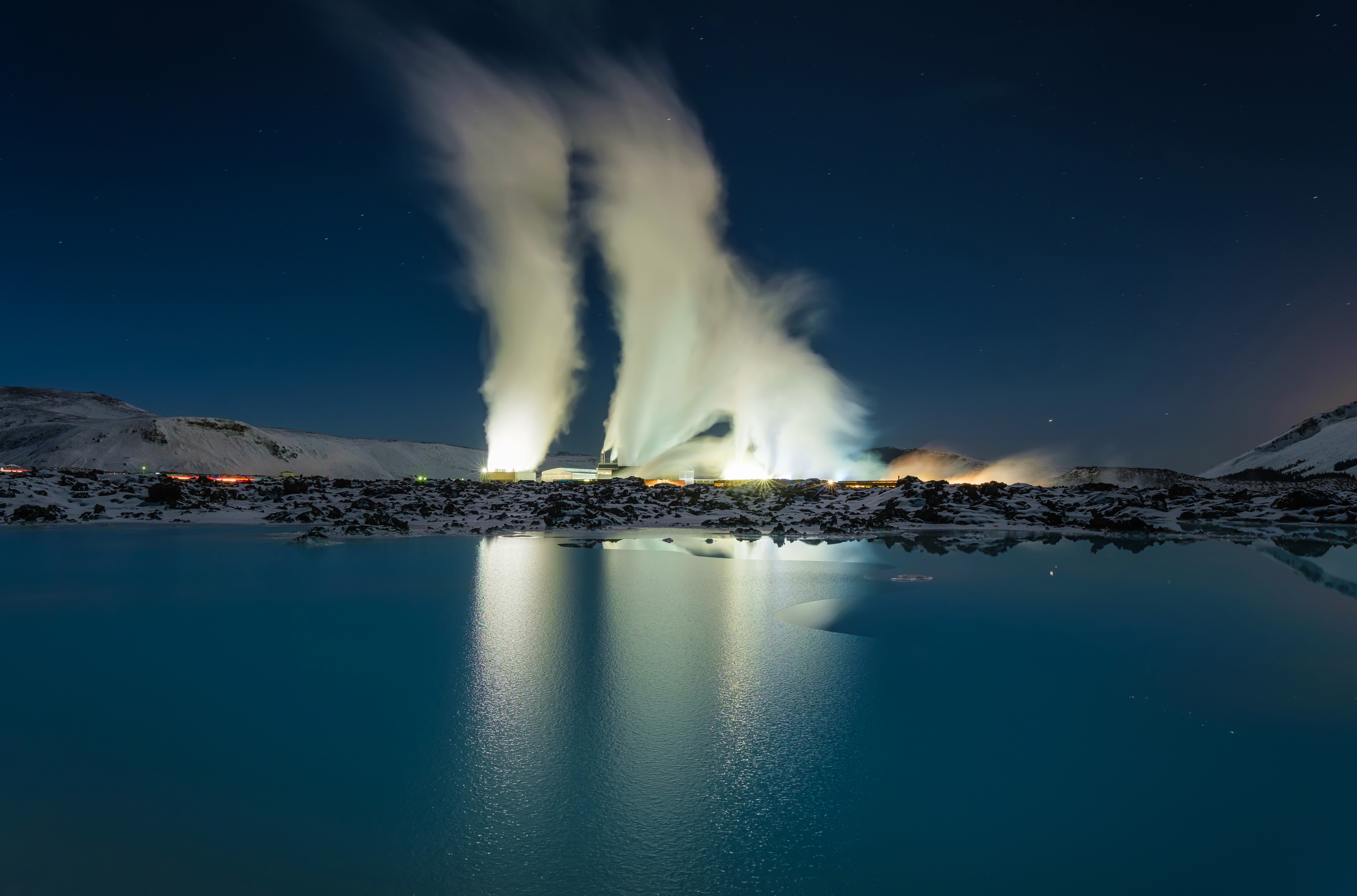
That means being specific. Saying what you do, not just what you believe. It means being consistent. Making sure marketing, sales, operations and customer experience all tell the same story. And it means being honest. Buyers know data centres are complex. They know energy, growth and sustainability come with difficult trade-offs. Confidence comes from explaining those trade-offs clearly, not smoothing them over.
Green claims are growing up.
For data centre brands, that is not just a regulatory challenge. It is an opportunity to build more trust, stand out more clearly and make the business easier to choose.
" width="36.37869408797745px"><path d="M 9.094 0 L 0 9.192 L 9.094 18.386 L 27.285 18.386 L 36.379 9.192 L 27.285 0 L 18.188 9.192 Z" fill="rgb(255, 255, 255)" height="18.386395047889152px" id="o4s5PkXin" transform="translate(0 0)" width="36.37869405181936px"/><path d="M 0 9.192 L 9.094 0 L 18.188 9.192 L 9.094 18.384 Z" fill="rgb(0, 176, 177)" height="18.383522803236502px" id="jDL7nbsGt" transform="translate(18.189 0.001)" width="18.18810013191573px"/></g></svg>)