Data Centre
More than a lick of paint
Monday, 29 June 2026
More than a lick of paint
29 Jun 2026
Data Centre

Maven led a project with Pulsant to improve the experience of working in and visiting their data centres across the UK, and the results are in, and it proves it has had a significant business impact.
Pulsant has reported that client advocacy more than doubled following the transformation of its UK data centre estate, with a 33-point Net Promoter Score surge in people saying they would recommend Pulsant to industry peers seeking colocation.
A 33-point NPS increase is the proof point. The bigger story is a data centre estate that now works better for customers, visitors and employees.
The work may have involved signs, spaces, desks, walls, routes, finishes and furniture. But this was not a cosmetic project. It was a customer experience project in a technical environment where trust depends on every detail.
Data centres are usually talked about in terms of power, resilience, connectivity and security. All fair. All essential. But people still have to use them.
Clients visit. Engineers work in them. Contractors move through them. Internal teams manage them. Sales teams show them. Partners judge them. Every one of those interactions shapes how the business is understood.
That was the thinking behind Pulsant’s Data Centre Experience project.

The job was to turn a mixed estate into one clearer experience, without pretending 14 different buildings could, or should, all work in exactly the same way.
The flow of the work looked like this:
Survey the sites
Understand how people arrived, moved, paused, worked and made decisions.
Unpick the problem
Identify the points where the experience became unclear, inconsistent or harder than it needed to be.
Test it at Croydon
Use the most complex site as the pilot, solving the wayfinding and security-led routing problem before rolling the system out.
Build the system
Create a consistent approach to zones, routes, signage, client spaces, staff areas, facilities, operational rooms, safety information and brand presence.
Adapt it across the estate
Apply the same thinking to different buildings, layouts and local conditions without forcing them into a false template.
Make it happen
Take the work from concept through production, installation, remodelling, furniture, finishes and the final details on site.
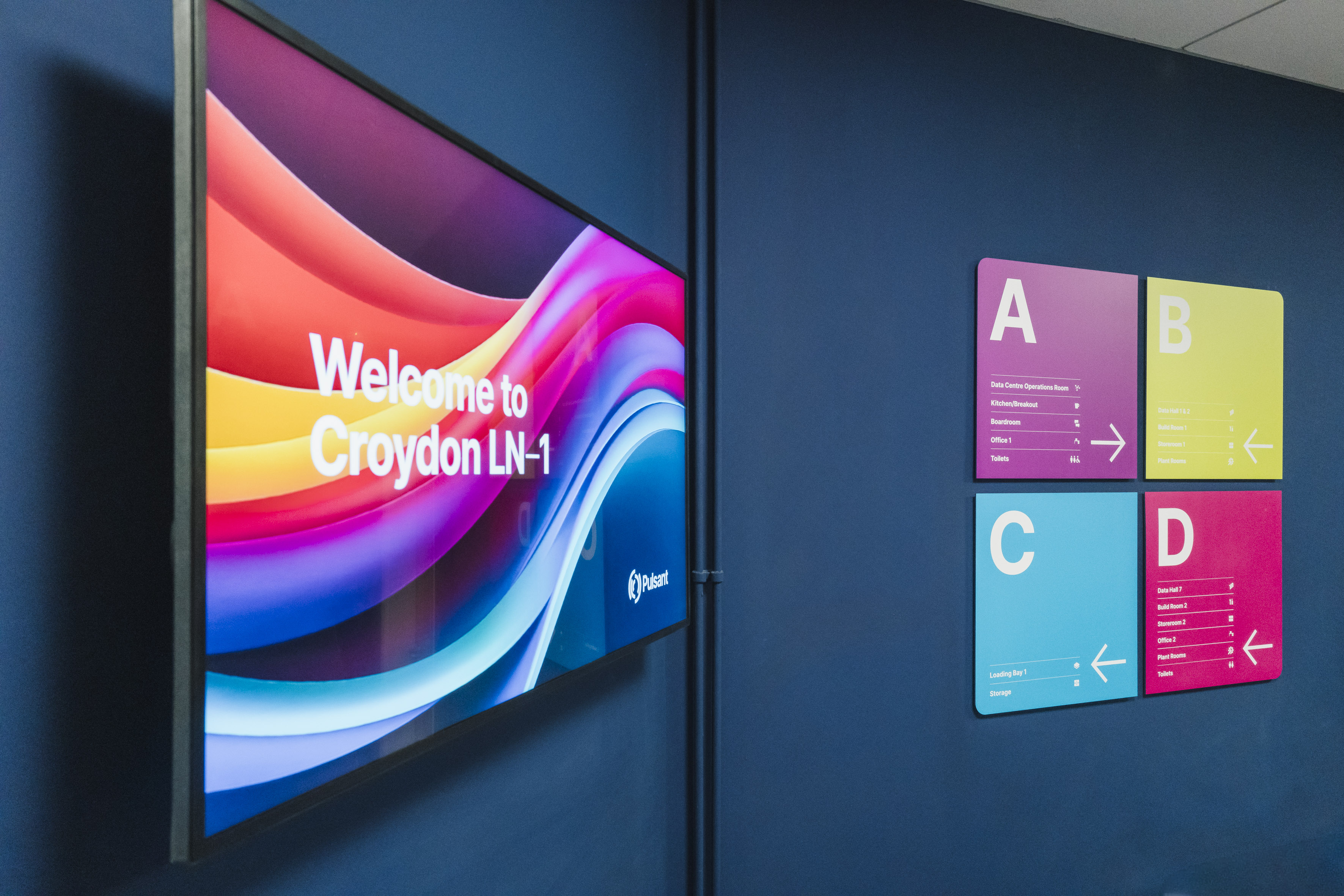
Croydon became the pilot because it had the right level of complexity. The site had developed over time. What once made sense internally had started to lose meaning for new visitors. Security requirements also meant visitors had to be routed in specific ways, avoiding sensitive areas while still getting to the right data hall, meeting space or facilities area. That created a knotty wayfinding problem.
This was not a case of adding more signs and hoping for the best. More signs can often make a confusing building worse. The work had to start with the logic of the site: where people arrived, where they were allowed to go, where they needed to go, where they hesitated, and where the building stopped explaining itself.
The solution was clear zoning.
Visitors could head towards the zone they needed, then find the right data hall within that zone. Facilities and operations rooms were grouped more clearly. Breadcrumbs helped people move through the building and find their way back to reception. The system gave the site a clearer rhythm without weakening the security logic behind it.

In a data centre, clarity cannot come at the expense of control. The experience had to feel more confident, not more casual.
Once the Croydon pilot proved the approach, the scheme was rolled out across Pulsant’s wider UK estate.
This was where the judgement came in. The job was not to make every data centre identical. Each building had its own layout, history, constraints and working patterns. A rigid brand template would have looked tidy on paper and failed in practice.
Instead, Maven created a system that could flex.
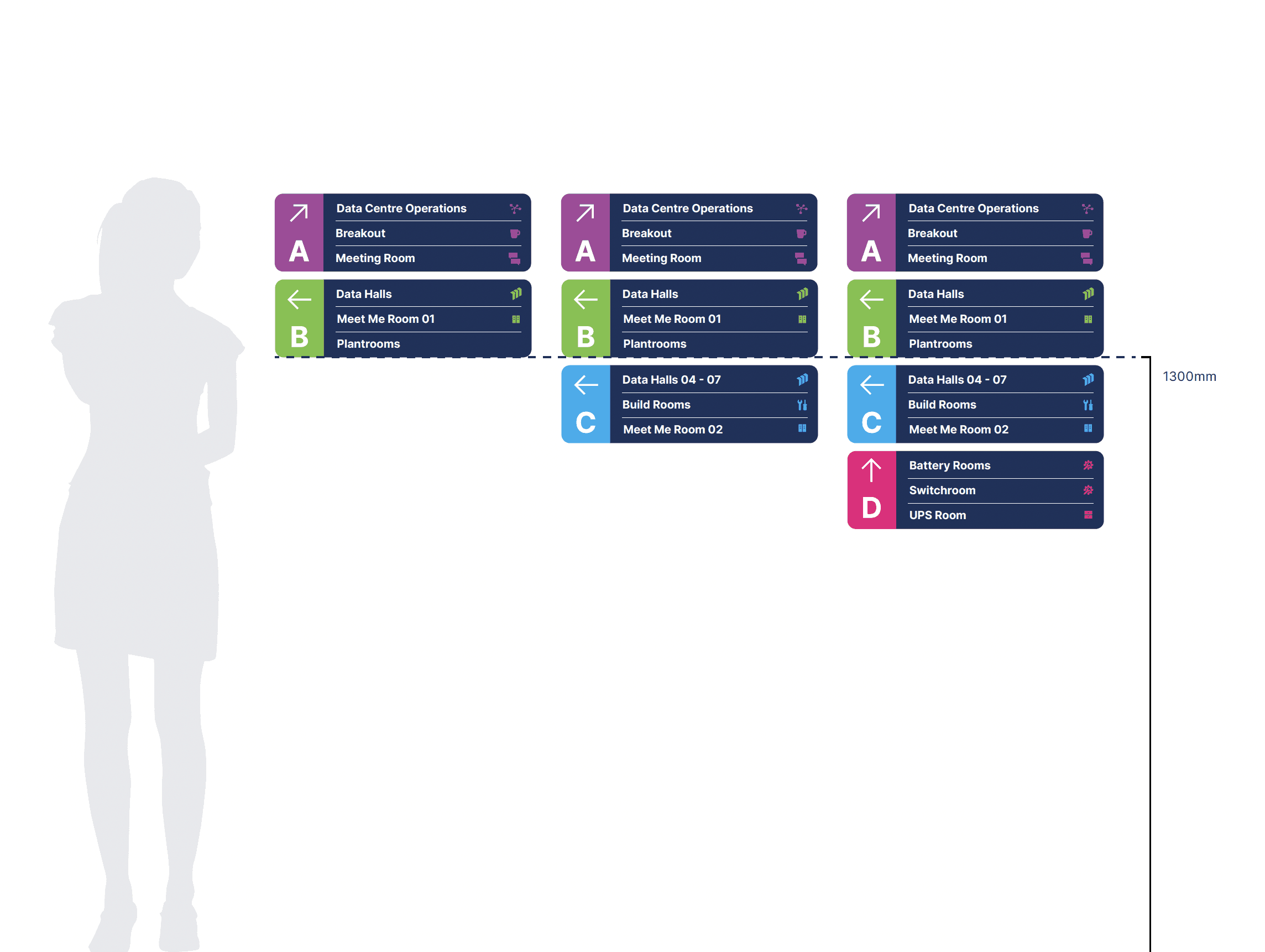

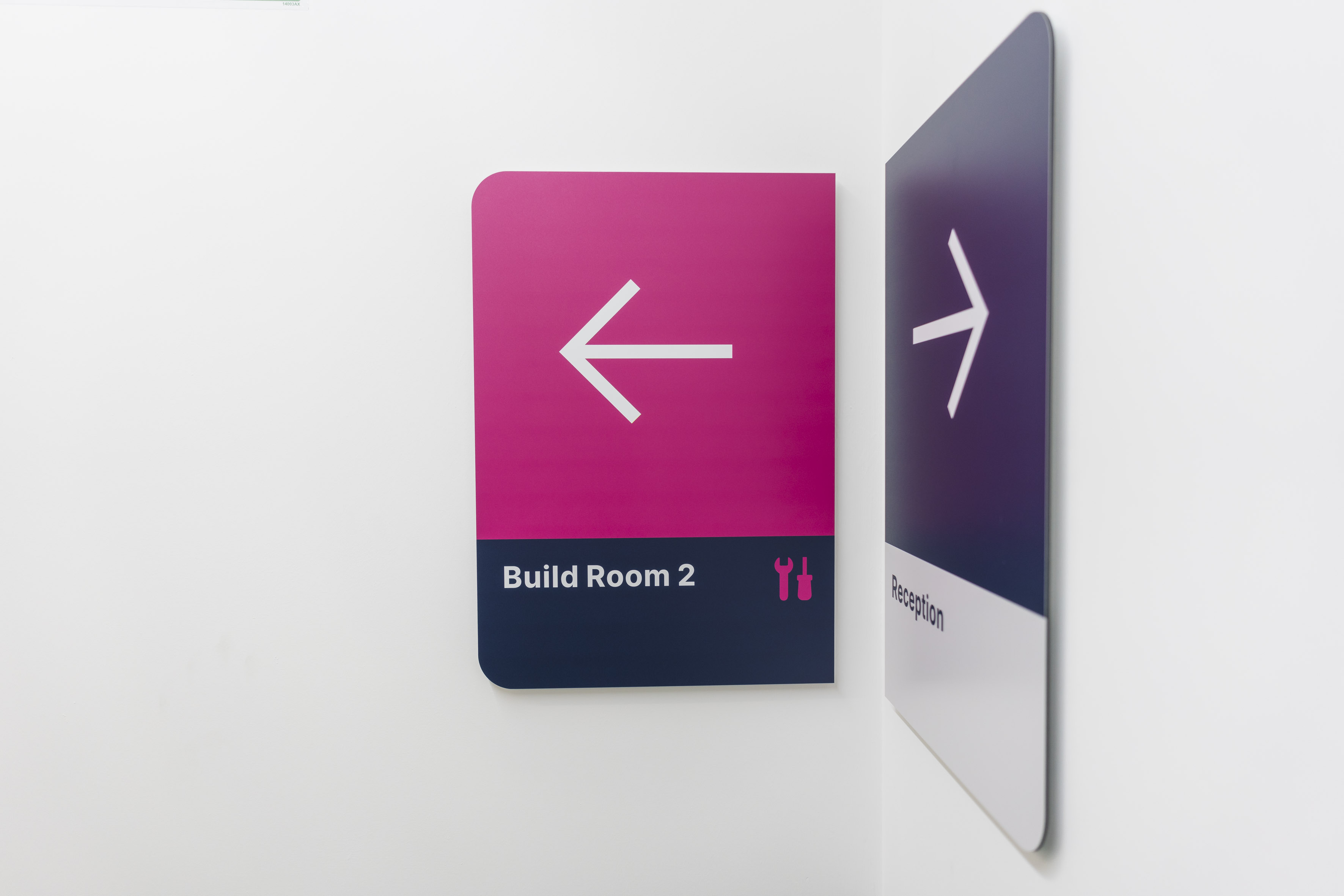
Across the estate, that meant external signage, internal wayfinding, wall graphics, meeting rooms, breakout spaces, reception areas, staff areas, route maps, room naming, process signage, health and safety signage, door signs and manifestations.
It also meant work that sat beyond traditional branding: physical remodelling, reception desks, furniture specification, flooring, improved coffee and kitchen areas, electric car charging and better security processes.
Maven managed the process from concept through production and installation. The point was not just to design a better experience. It was to make sure it existed properly in the real world.
The most useful proof points are the ones that belong to this project:
A complex pilot site became the test bed for a clearer estate-wide system.
Security-led visitor routing was turned from a navigation headache into a clearer zoning strategy.
Fourteen different data centres were brought into one recognisable Pulsant experience.
Wayfinding shifted from accumulated signage to a more deliberate route through each site.
Facilities, operations rooms and visitor routes were organised so the buildings explained themselves more clearly.
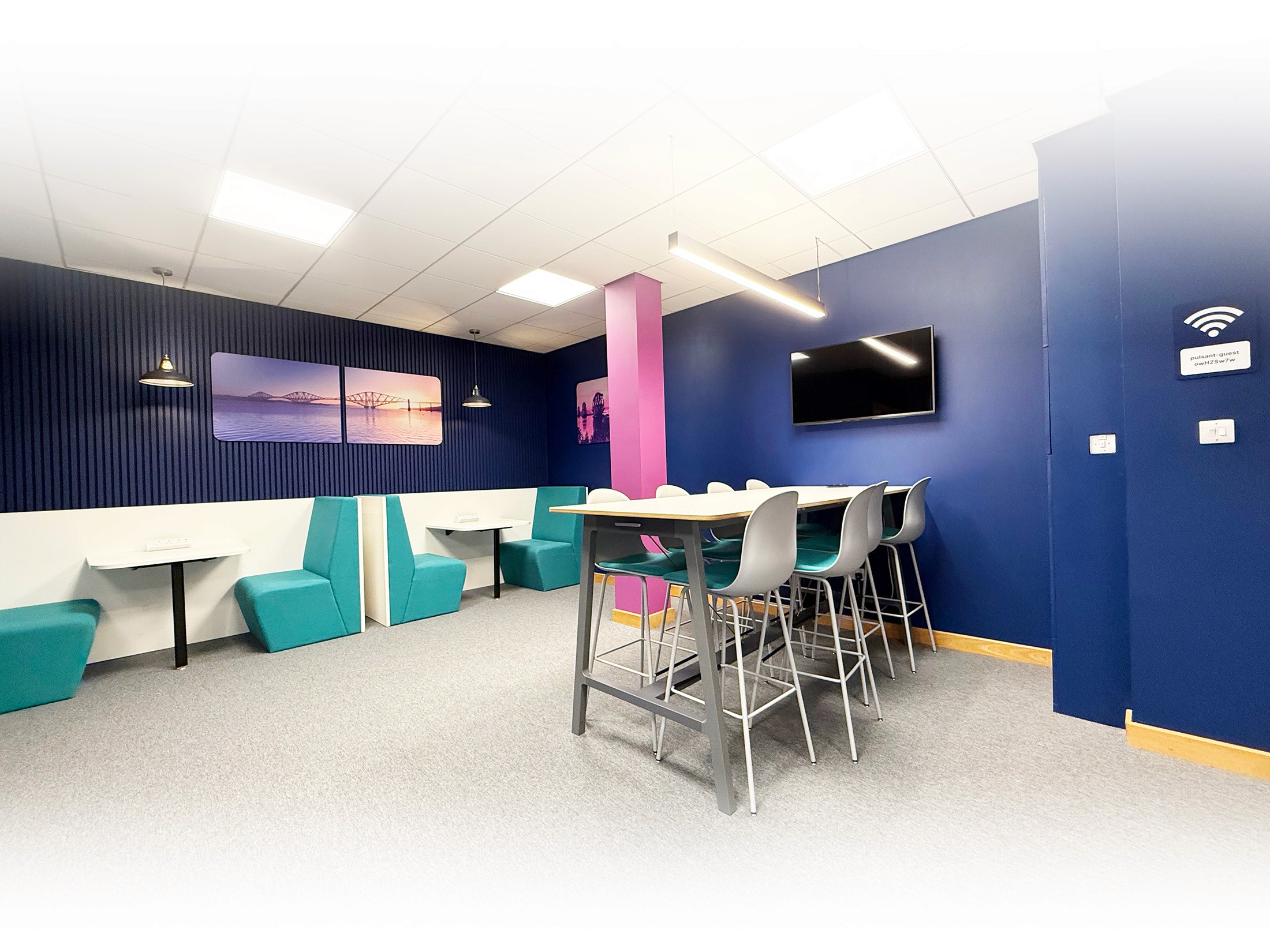
The brand moved from decoration to a practical part of how the buildings work. The system was consistent enough to feel joined-up, but flexible enough to respect different buildings. The work connected customer experience, staff experience, operational detail, security, health and safety and commercial confidence.
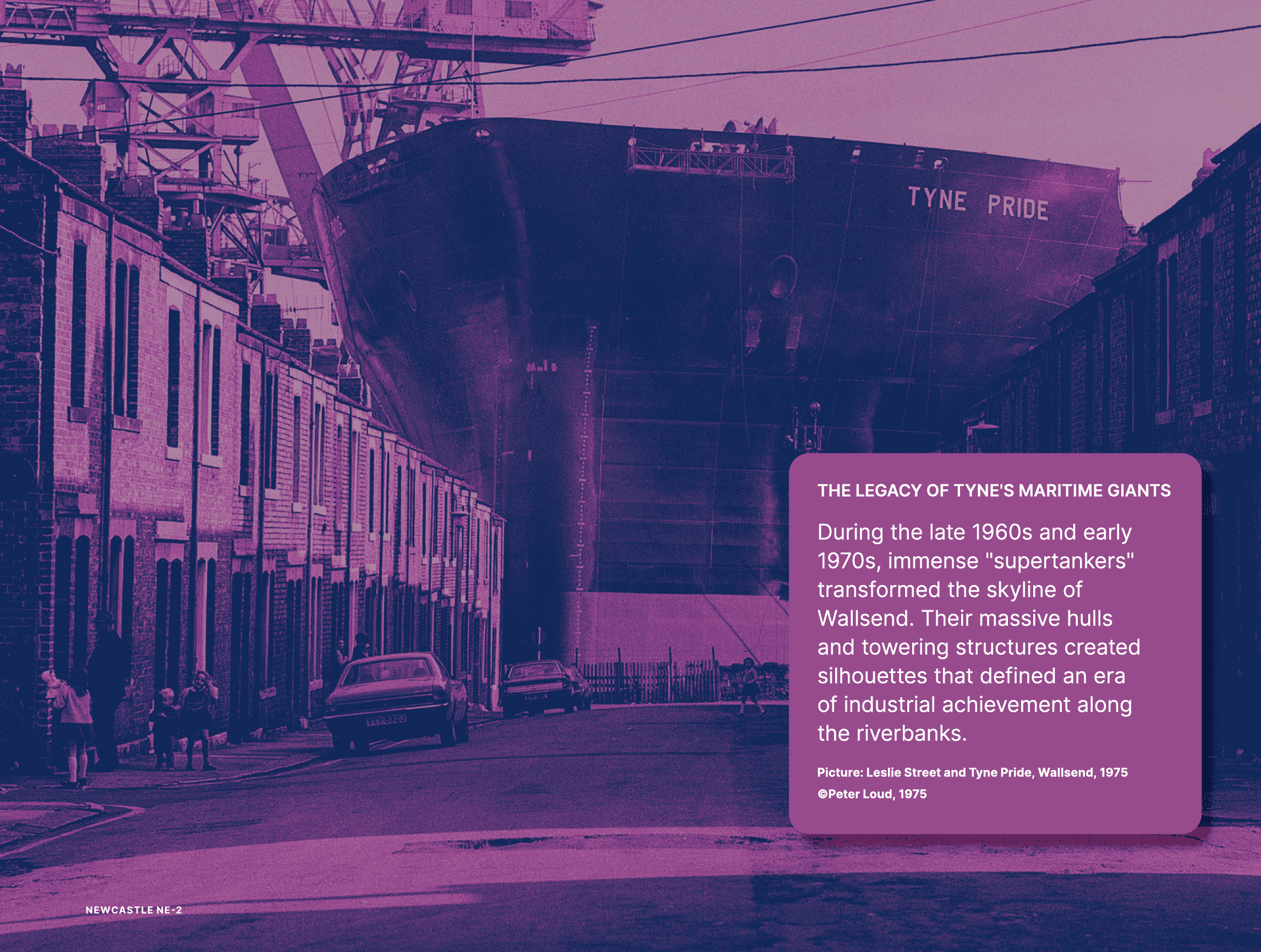
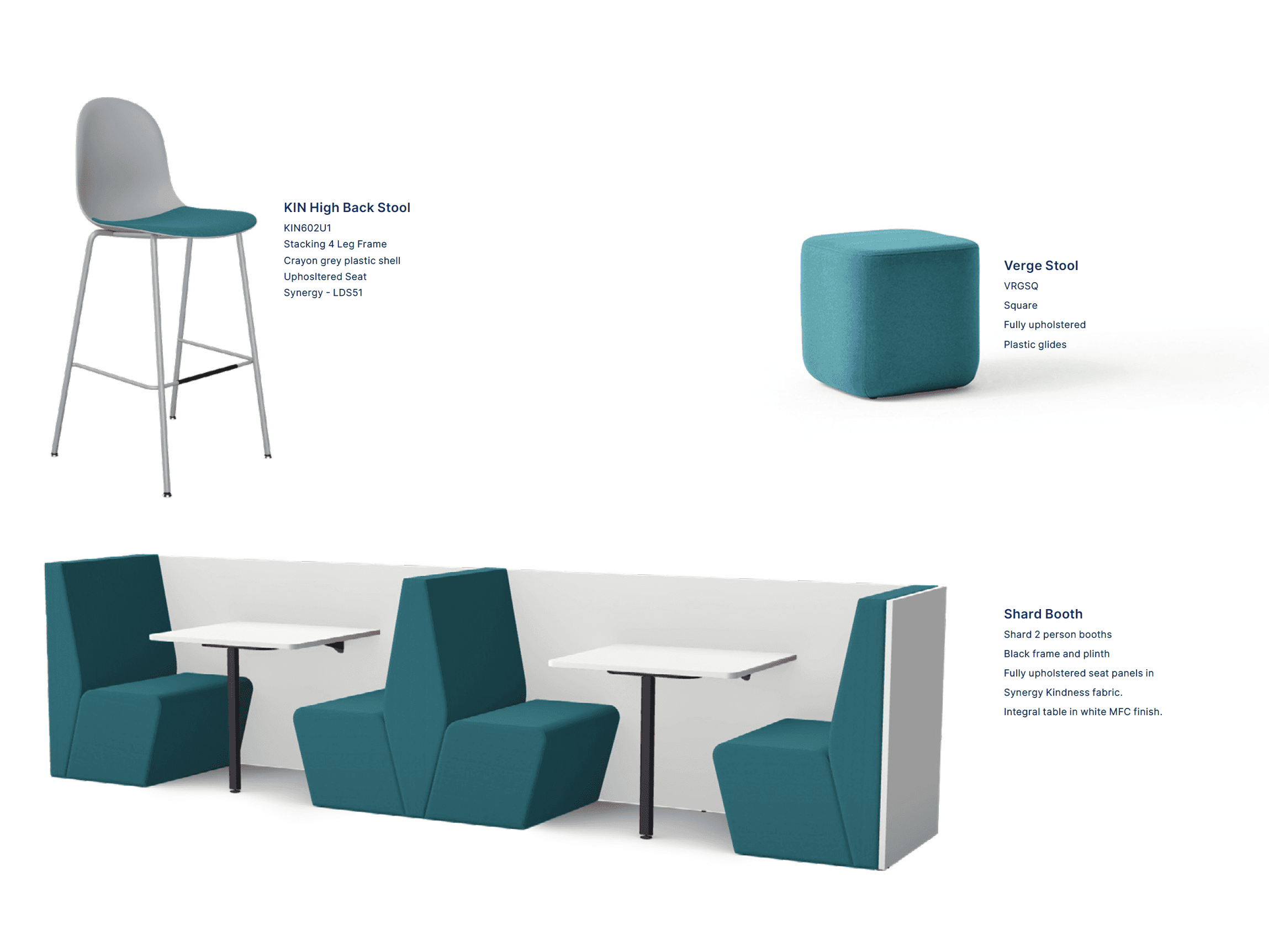
Pulsant’s own write-up of the investment programme sets out the wider estate improvements and the commercial impact: Pulsant completes £2m UK data centre investment programme.
It matters because it shows this was not just a design exercise. It was part of a serious investment in the data centre estate, with measurable impact on how customers experience and recommend Pulsant.
Customer experience is not decoration. It is not just sofas, signs and fresh paint.
Done properly, it helps people trust the business faster. It reduces friction. It supports teams. It makes complex environments easier to use. It turns operational detail into commercial advantage.
For Maven, this is the kind of work we believe in: the practical, hard-to-solve stuff that sits between brand, environment, process and customer experience.
Pulsant already had the infrastructure. The job was to make the experience match the strength of the offer.
" width="36.37869408797745px"><path d="M 9.094 0 L 0 9.192 L 9.094 18.386 L 27.285 18.386 L 36.379 9.192 L 27.285 0 L 18.188 9.192 Z" fill="rgb(255, 255, 255)" height="18.386395047889152px" id="o4s5PkXin" transform="translate(0 0)" width="36.37869405181936px"/><path d="M 0 9.192 L 9.094 0 L 18.188 9.192 L 9.094 18.384 Z" fill="rgb(0, 176, 177)" height="18.383522803236502px" id="jDL7nbsGt" transform="translate(18.189 0.001)" width="18.18810013191573px"/></g></svg>)