Design
The importance of icons in a multicultural world
Monday, 1 June 2026
The importance of icons in a multicultural world
1 Jun 2026
Design

Never before has the world felt smaller, through advancements in travel and communication, we are now connected more than ever before. Metropolitan cities are multicultural hubs of different cultures, languages and perspectives. It’s become more crucial than ever to have a visual language that is universally understood.
Today we all speak and read that language every day, we call them icons or pictograms. We see them on transport, health & safety and warning signs, food packaging, app UI and menus. We send each other emojis to convey our mood or sentiments in a single character.
But where did this all start…
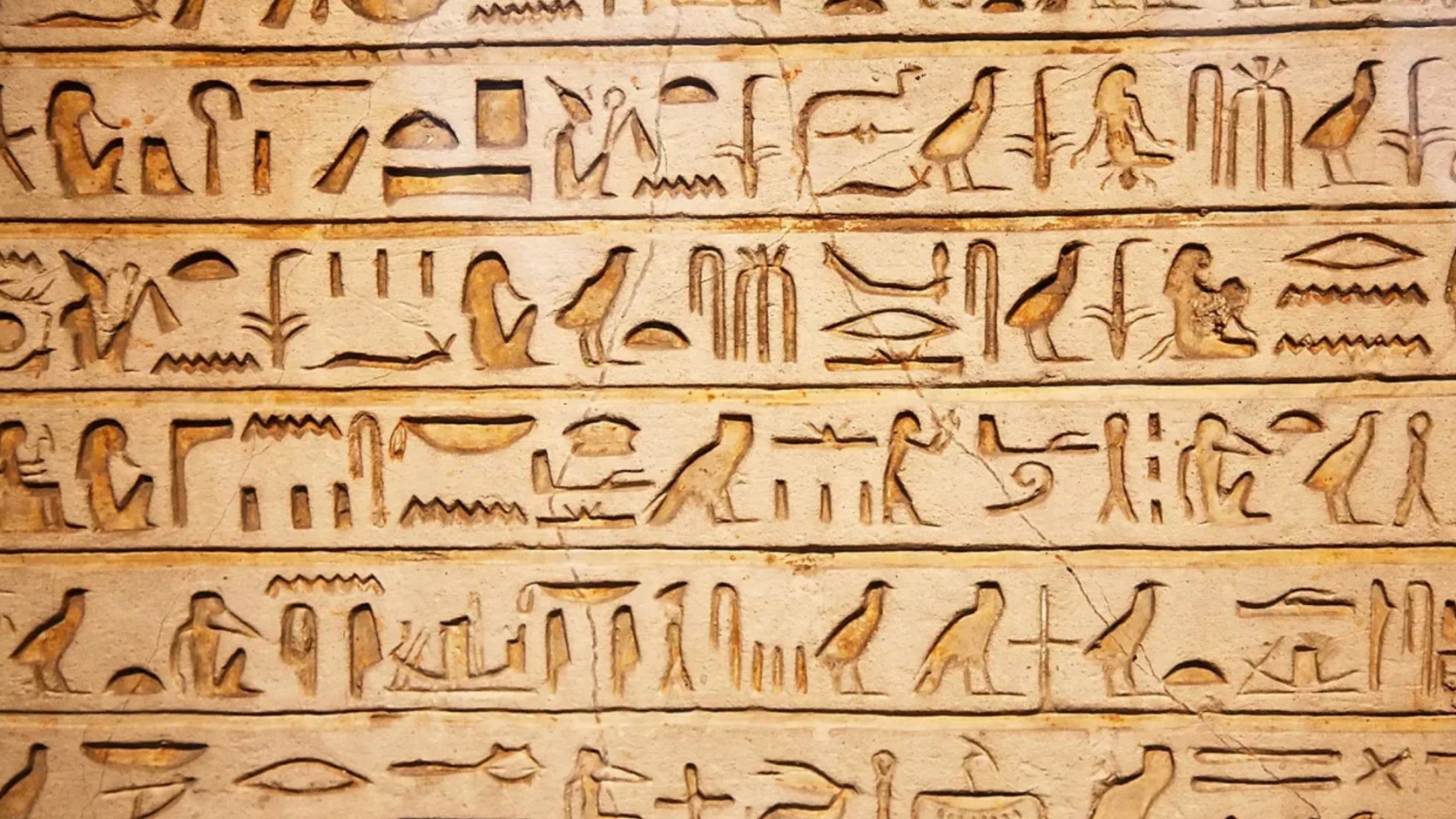
The very first pictograms can be found at the very dawn of humanity, long before written language. Early cave drawings used hand painted pictograms to convey information about migration patterns, local fauna and hunting tactics. Since then, we see pictograms pop-up in various civilisations throughout history, such as Egyptian Hieroglyphics and Scottish Pictish. But the modern systems we know today began their development in the early 20th Century.
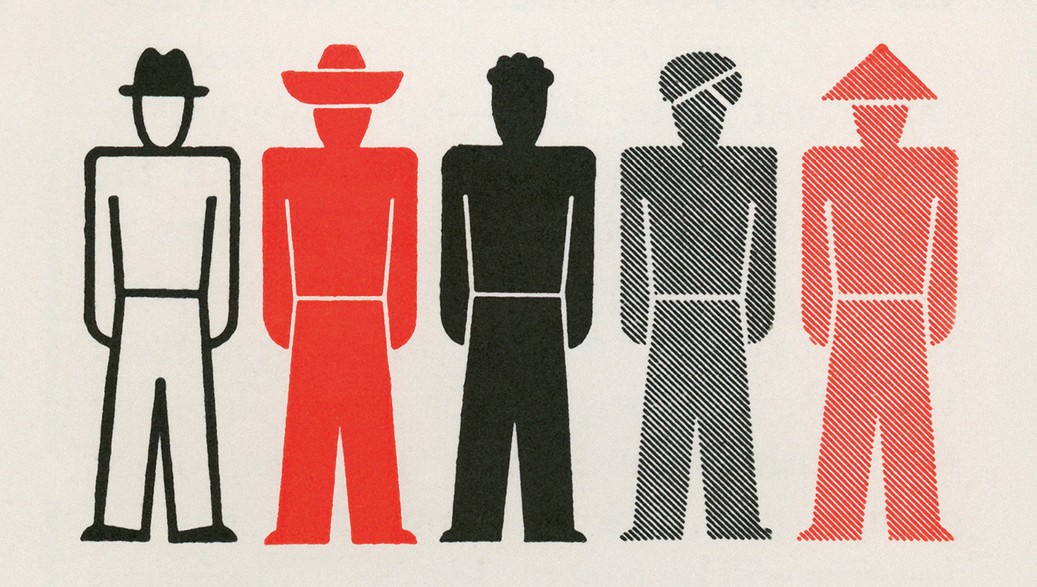
In 1925, Otto Neurath, a Viennese scientist and philosopher, invented a system of image statistics called Isotype (International System of Typography Picture Education) - similar to modern infographics. This was a substitute for written language that used pictures to convey information and data. He believed knowledge should be available to everyone, not just the literate. He worked with designers Gerd Antz and Maria Neurath to create a system that laid the foundations for modern iconography. Inspired by the Bauhaus movement, the designs used flat perspective, limited colours and scalability, and incorporated the philosophy of the movement through geometry, clarity and civil responsibility.
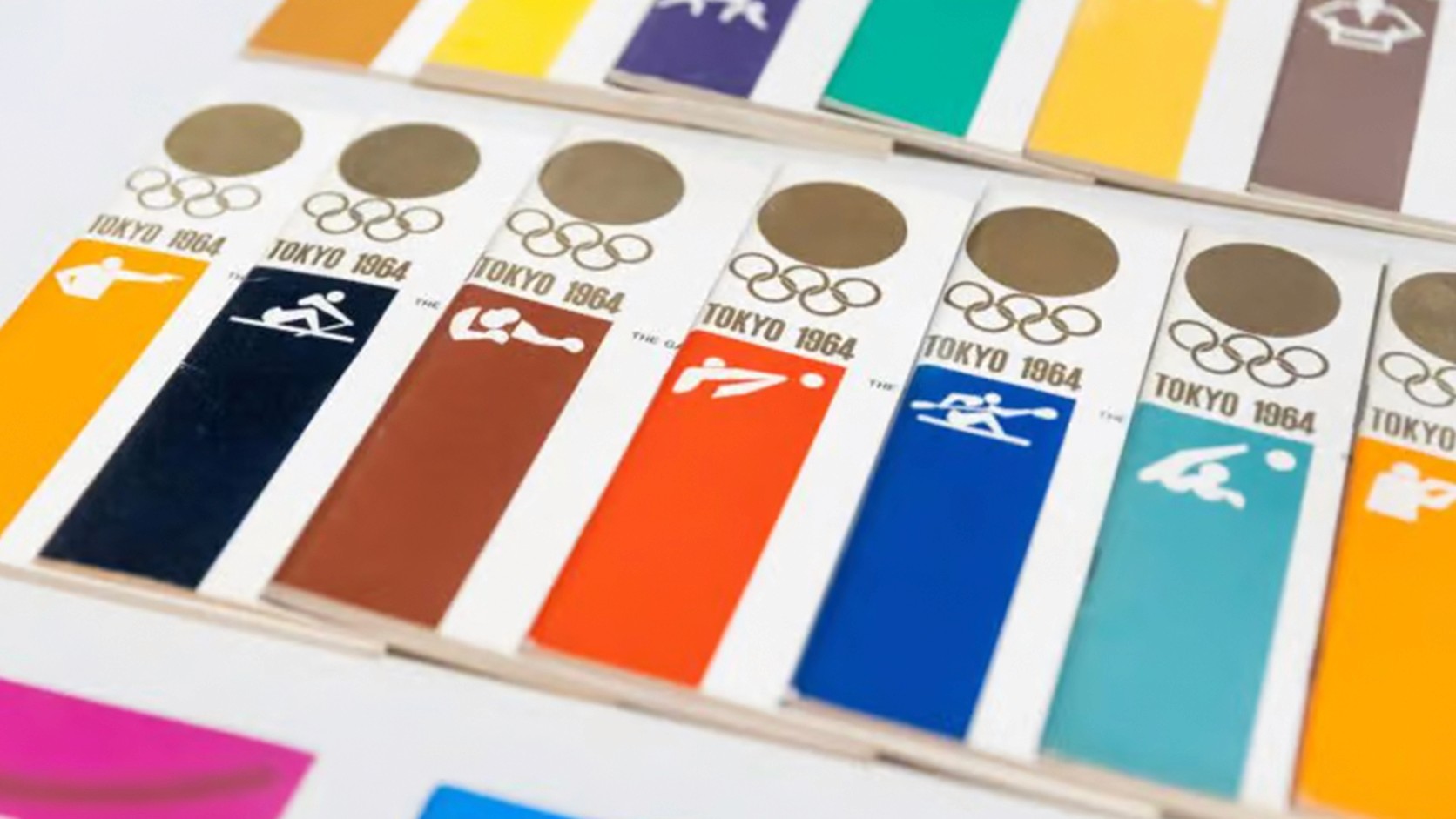
One of the first places to fully adopt a pictorial language to aid in wayfinding and orientation, was at the Tokyo 1964 Olympics Games. The Games were attended by athletes, spectators, journalists and tourists from around the world, from nearly 100 different countries. Since Japanese was not a global language and very few people spoke it outside of Japan, let alone were able to read the complex writing system, they understood the need for a single, simple system that could be understood by anyone, no matter the language they spoke. The set was designed by Katsumi Masaru & Yoshiro Yamashita and included 19 different symbols for the 19 official sports. This would set a president for future games, with a varying degree of creativity and legibility. Some of the most notable sets being from Sapporo 1972, Seoul 1988 and Mexico 1968.
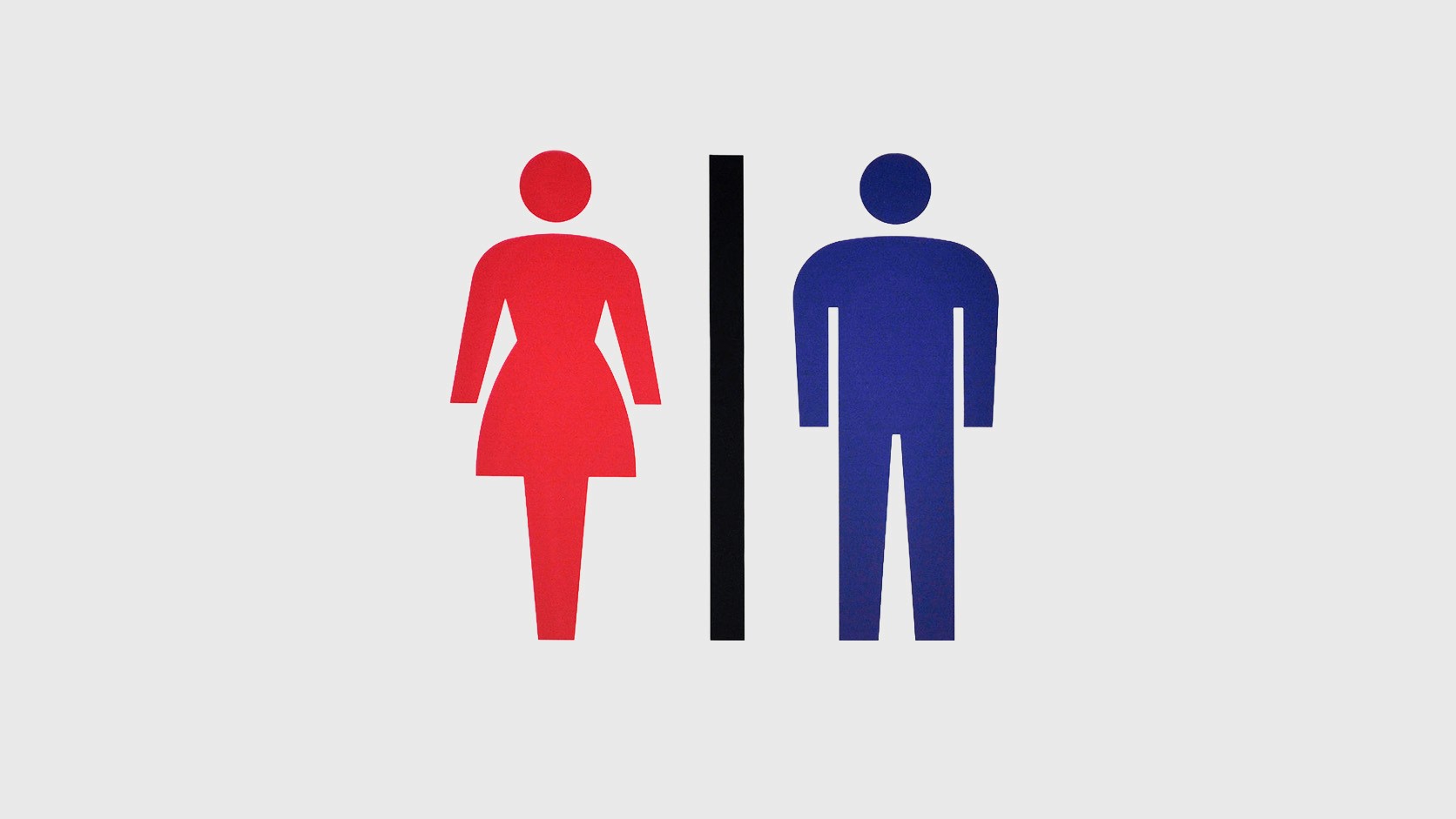
Alongside the icons for the 19 official sports, icons for amenities and facilities were also designed. It was here we saw one of the first use of male and female icons on toilet stalls. Not wanting visitors to be confused and use the wrong toilet, the designers came up with a simple solution, skirts for woman and trousers for men. However, there was still concern that Scottish men in kilts would be confused by the signage, so the decision was made to make the male icon blue and the female icon red – this was based on research from watching western media, they noticed men usually wore blue suits or denim, while women wore red or pink dresses and skirts. This colour coding is still used in Japan today.
After the 1964 Olympics, the icons were put into the public domain and would later be adopted by British Rail and the US Department of Transport.
The next big adoption of a visual language was by the global transport industry. The first of these being the development of the Railway Alphabet for British Rail and the UK Highway and Road signs. Both of which were designed by Kinneir and Calvert in the early 1960s. These paved the way for other systems worldwide.
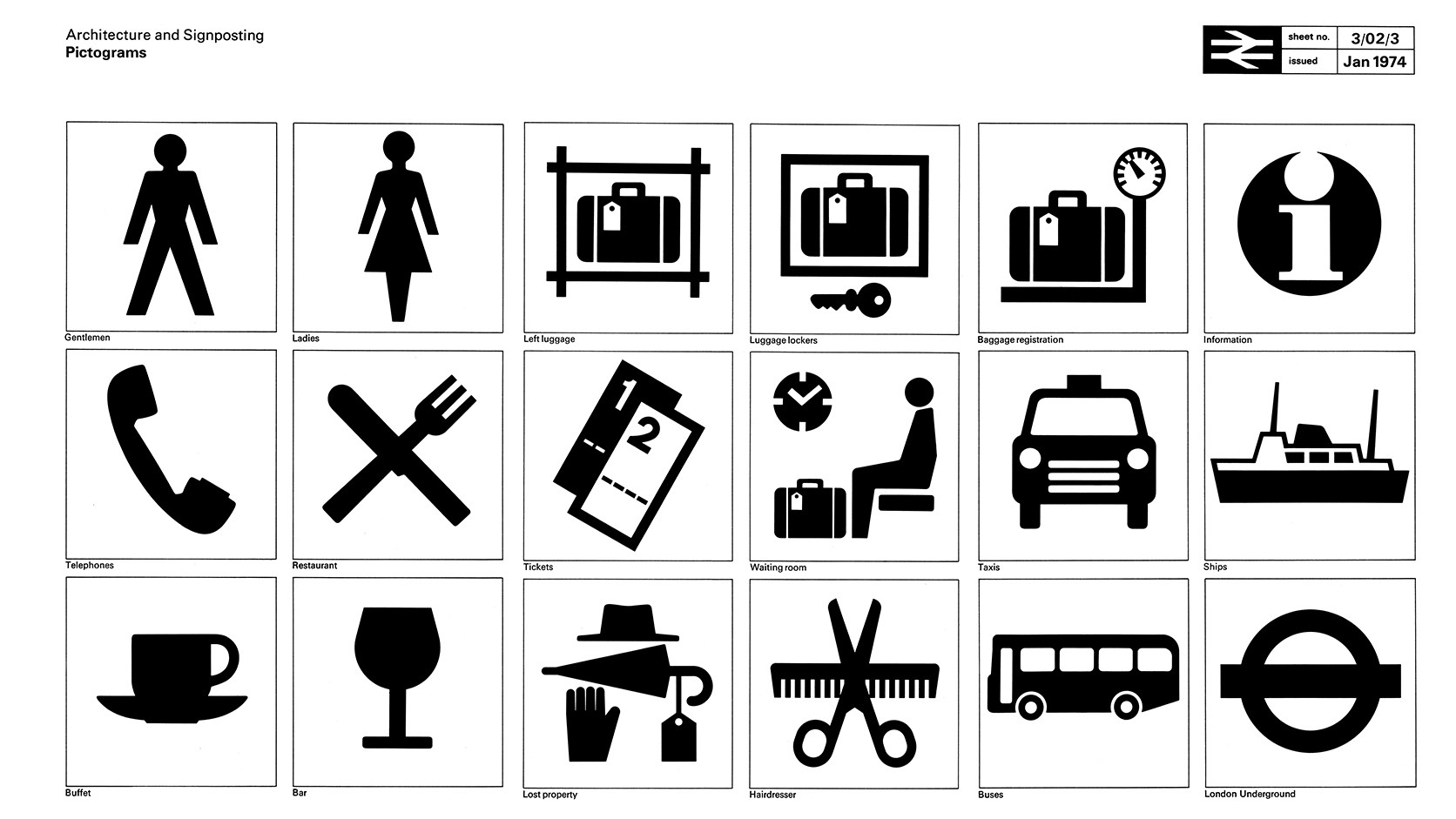
In the 1970s the US Department of Transportation and the American Institute of Graphic Arts (AIGA) set out to create globally standardised icons for public spaces. We see these at train stations and airports, icons for taxis and tickets, toilets and terminals. The aim was for the icons to be instantly understood. This navigated around the need for signs in multiple languages which would become cluttered and confusing.
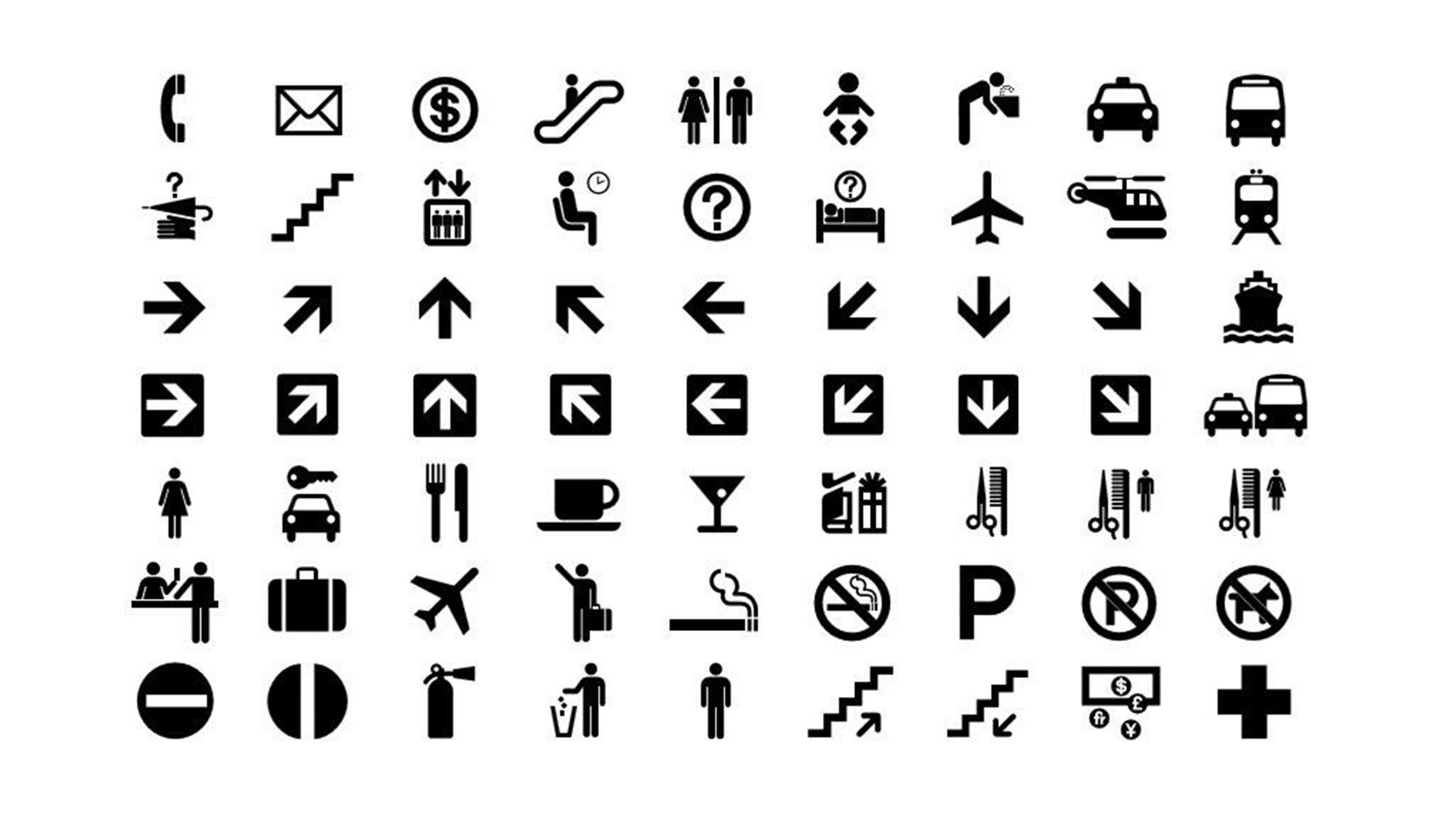
The International Organisation for Standardization (ISO) expanded this concept, developing a standardised global system, ISO 7010, that included health and safety icons such as the Exit ‘running man’, mandatory signs and prohibition signs. This system followed the very principles set out by Otto Neurath - limited colour, flat design and clarity, with civil responsibility at its core. These icons are designed to warn and inform, keeping both the public and workers safe.
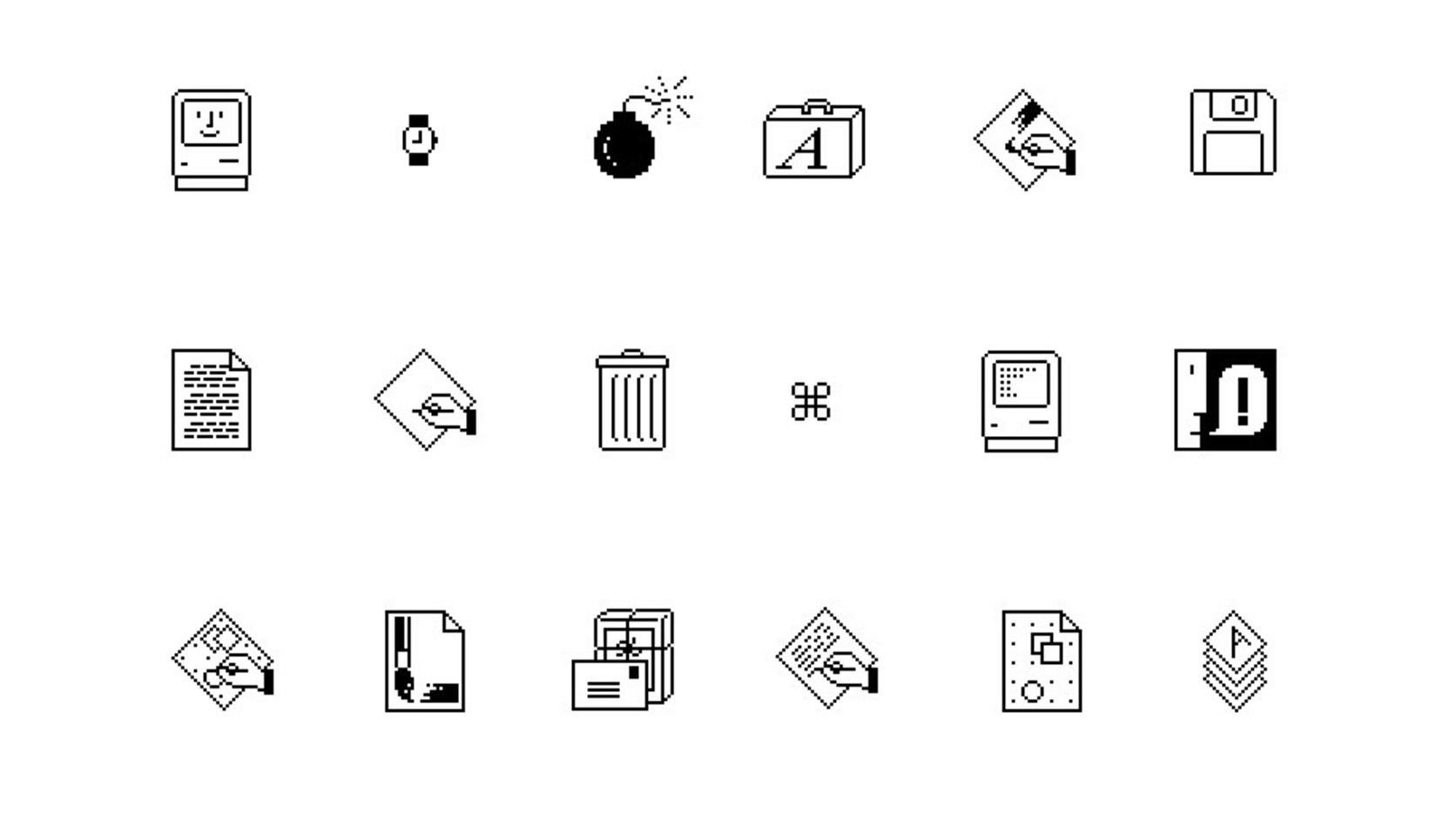
At the start of the digital age, icons found a new home on the display monitors of computers and in early video game UI. The Xerox Alto (1973) was one of the first computers to use a graphical user interface (GUI), and introduced icons like the trash can and folder. Later, in 1984, the first Macintosh computer popularised the use of GUI and made desktop icons a staple of how we navigate the digital world.
The most recent evolution of icons came with smartphones in 2007 and the global rise of apps. The need for a visual language was different this time, it wasn’t only driven by a need to bridge language barriers or display a single standardised language, it also needed to be displayed at even smaller sizes than ever before. Not only did the icons have to be readable, but they also had to do so in a space as small as 16x16 pixels. The limited screen space meant menu items and buttons with abstract concepts, such as ‘save’, ‘settings or ‘connection’, had to be conveyed in just a few short lines. While the development of better retina screens has allowed for much more detailed UI, these icons often work best when kept just to their basic shapes, no clutter. Take the search icon, often just a humble circle with a single line.
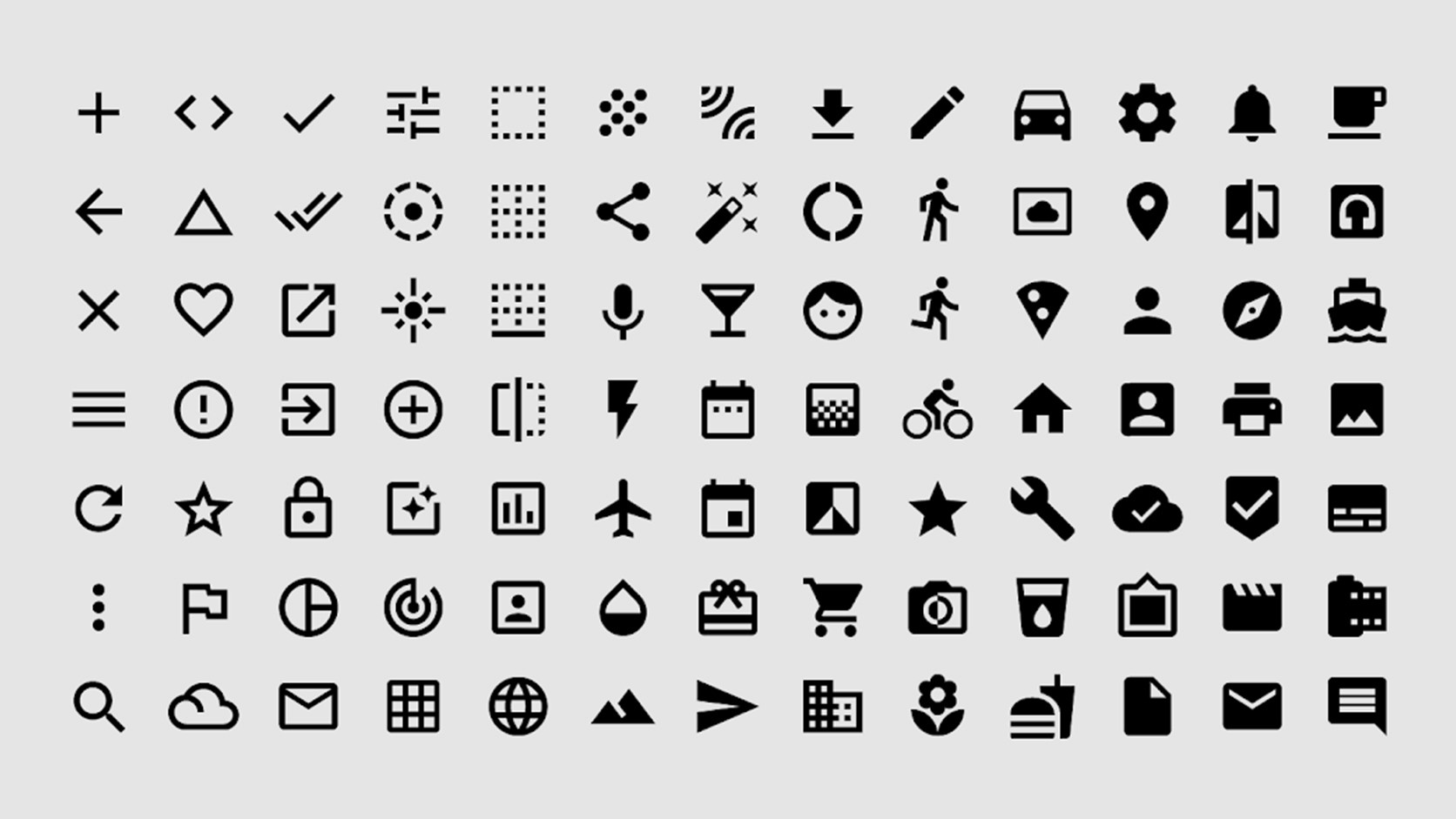
While designing icons for a global market, it’s important to be mindful of cultural differences. One thing in one country might mean something else entirely on the other side of the globe. One of the most common examples is hand gesture icons. Open palm, thumbs up, pointing finger; these symbols or gestures mean different things depending on where you are from. Icons should be literal where possible. Abstract concepts require a more abstract solution. Historically, we’ve often used analogue stand-ins for icons with an abstract meaning. The trouble is these items become obsolete. Take the floppy disk for example, we’ve been using it to represent ‘Save’ so long there are multiple generations that have never even seen a real floppy disk, let alone know what the icon is. Recently, designers have been creating more abstract versions of the save icon, usually based around a circle. The introduction of animation to UI has really allowed ‘save’ to free itself from the obsolete reference with spinning wheels and progress bars.
Maven design icon systems that help people move through digital and physical spaces with less friction and more confidence. Creating unique sets that not only fit the brand ‘voice’, but are visually clear, easy to understand and keep to the very principle that modern icons are founded on; that they should be understood by everyone.
" width="36.37869408797745px"><path d="M 9.094 0 L 0 9.192 L 9.094 18.386 L 27.285 18.386 L 36.379 9.192 L 27.285 0 L 18.188 9.192 Z" fill="rgb(255, 255, 255)" height="18.386395047889152px" id="o4s5PkXin" transform="translate(0 0)" width="36.37869405181936px"/><path d="M 0 9.192 L 9.094 0 L 18.188 9.192 L 9.094 18.384 Z" fill="rgb(0, 176, 177)" height="18.383522803236502px" id="jDL7nbsGt" transform="translate(18.189 0.001)" width="18.18810013191573px"/></g></svg>)